Namibian Mining News The Professional Mining Journal



Related Articles
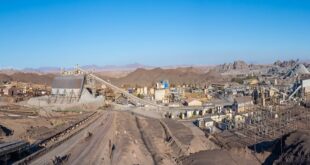
Portuguese energy company, Galp, is preparing to commit a further N$13 billion to exploration and appraisal offshore Namibia as drilling at the Mopane discovery accelerates towards a potential final investment decision (FID) in 2028.
The company expects the additional capital to fund the next phase of work over the coming years, before development expenditure and first oil are even factored into the equation. “Together, we have to decide the next programme that could cost us another N$13 billion for the next couple of years, even before we start thinking of development and first oil. So there is a big technical risk but there is a huge financial risk involved in that one,” said Bastos at the recent Namibia Oil and Gas Conference and Exhibition.
Galp holds interests in Petroleum Exploration Licence 83 (PEL 83), where it made the Mopane discovery through a five-well drilling campaign. The licence extends beyond the existing discoveries, leaving further exploration and appraisal work necessary before the partners can determine the scale and configuration of a potential development. The next phase is already taking shape, with TotalEnergies set to become operator of PEL 83 and a further three-well campaign expected to begin in November 2026.
“Next, we are planning to drill three more wells, starting now in November, probably November 2026. And that will further de-risk towards a potential FID, that together, we have a target of 2028,” noted Bastos. The wells are expected to provide greater clarity on the volumes of hydrocarbons in the area and help determine the most commercially viable development concept for Mopane. He added, “We need to drill first. We need the next well that’s key for us on additional volumes, and then you define our strategy for the development of Mopane. But there’s lots to do till you go to FID, but it’s nice to be aggressive. It’s nice to have a target. Time is of the essence.”
The scale of the proposed pre-development spending underscores the financial exposure of frontier offshore projects, where billions can be committed years before a project generates its first revenues. However, the investment also raises the stakes around the policy and operating environment required to support long-term offshore development. Bastos said regulatory certainty and national stability would be critical as the partners consider investments that could extend over decades.
Bastos said, “And second is, as you say, Namibia’s stability, so we know that when you make investment like that, there’s a marriage for the next 30 years at least. We need to understand from the long-term plan where are we going.”
The development could also create a larger industrial footprint beyond the offshore wells themselves. Bastos identified local content as an important consideration, arguing that building domestic capabilities should form part of the commercial logic of major petroleum developments.
In conclusion, Bastos noted, “Local content is a natural course of the industry. If you look at Brazil, for example, look at the higher level they have today of local content. Because it makes business sense to develop capabilities and create where we do operate.” The immediate priority remains drilling. The next three wells will help determine whether the discovery can move from a promising offshore resource into a commercially viable development and whether Namibia’s emerging oil industry is ready for the scale of capital that could follow.