Namibian Mining News The Professional Mining Journal



Related Articles
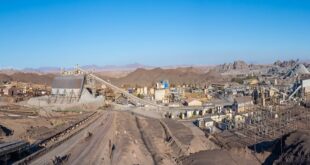
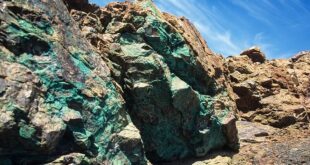
In the stark expanse of the Namib Desert, the Husab Mine, a pivotal global uranium operation, is becoming a crucible for more than mineral extraction; it is actively reshaping Namibia’s human capital and regional economic landscape. Operated by Swakop Uranium, an affiliate of China General Nuclear Power Group, the site is leveraging large-scale industrial management philosophies, honed over decades in China, to address the persistent skills gap in Namibia’s mining sector. Executive Vice President Irvinne Simataa views the mine as a microcosm of the nation’s development path, asserting that resource extraction must fundamentally align with industrial upgrading and the formation of robust human capital, positioning mining not just as an industry pillar but as a catalyst for sustainable national growth.
The core of this strategic shift lies in a merit-driven workforce development model, a concept Simataa consciously adapted after observing the rapid development success in China. Over the last three years, this approach has culminated in the recruitment and intensive training of 70 young Namibian engineers. These professionals are immersed in structured mentorship and hands-on responsibility programs, successfully transitioning into permanent technical roles that are now crucial to the mine’s day-to-day operations. This systematic investment is creating a new generation of locally trained expertise, fundamentally changing the composition and capability of the technical staff at one of the world’s largest uranium deposits.
Simultaneously, the “More than Mining” philosophy is driving broader community support, moving away from short-term assistance towards initiatives that foster self-sustaining livelihoods. A flagship example is the Hope Farm project, which in 2025 distributed 1,000 goats to rural households in nearby communities. This project is strategically designed not as a handout, but as a mechanism to help farmers establish small-scale livestock enterprises, building a pathway out of poverty through entrepreneurship. Lena Gauses, a 45-year-old beneficiary from the Erongo Region, highlighted the project’s significance, noting that it is creating self-employment and encouraging younger generations to reconnect with farming roots, ultimately strengthening the rural economy.
Namibia’s Minister of Agriculture, Fisheries, Water and Land Reform, Inge Zaamwani, publicly commended the initiative, specifically praising the Swakop Uranium Foundation for its adherence to strong principles. By providing livestock as a tool for income generation and independence rather than charity, the project successfully aligns grassroots community development with Namibia’s broader economic objectives. Whether it is through young engineers mastering complex processing plant operations or local farmers expanding their herds across the arid plains, the collaboration surrounding the Husab Mine is redefining the potential of resource-based partnerships, demonstrating that multinational industrial activity can be a powerful engine for both economic and human transformation in the region.