Namibian Mining News The Professional Mining Journal




Related Articles

The global copper market is heading towards a critical supply crunch, and a leading copper producer, Consolidated Copper Corporation (CCC), is positioning the reactivation of existing mines in Namibia as a swift and sustainable solution. CCC’s CEO, John Sisay, argues that these “brownfield” projects are a necessary countermeasure to a market that could face a refined-market deficit of around 150,000 tonnes as early as 2026. Sisay cautions that the market is “finely balanced,” citing how disruption at a single large operation recently flipped a major bank’s 2025 forecast from surplus to deficit.
CCC’s strategy centres on the inherent advantages of bringing historical operations back online. Unlike greenfield projects, which can take a decade or more to permit and build, reactivating existing mines can see production restart within a few years, offering a faster return on investment. Sisay notes the significant cost-saving, as reusing existing infrastructure—including shafts, roads, water, and power lines—typically cuts the required investment by 50% to 70%. This approach not only conserves capital but also results in a smaller environmental footprint, as the community is already familiar with mining and the geology, permits, and infrastructure are all in place, allowing CCC to “accelerate from a standing start.”
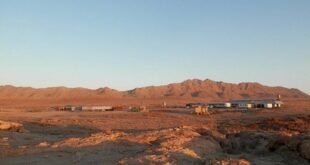
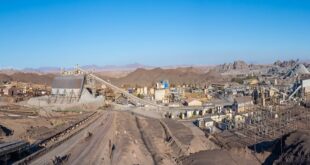
The company is leveraging this strategy in Namibia, with plans to restart production at the Tschudi mine in northern Namibia and the twin underground copper mines, Otjihase and Matchless, in central Namibia. Tschudi has been prioritised as the first major project due to its potential for a rapid restart. By initially processing the remaining residual mined material on site, CCC can quickly bring London Metal Exchange-grade copper cathode to the market while simultaneously re-establishing operations, rebuilding local capacity, and testing systems for a full mining restart. Sisay highlights that Tschudi is a proven asset with strong infrastructure, and the timing aligns with a renewed governmental push in Namibia to revitalise mining and drive local value.
Concurrently, CCC is advancing its future output by actively drilling at the Otjihase and Matchless mines to verify and expand the existing resource base. Detailed engineering and costed refurbishment studies are also underway for a shared processing plant, which boasts a design capacity of approximately 800,000 t/y. This work is critical for informing updated feasibility assessments and defining the technical and economic parameters needed to bring both assets back into production in the near- to medium-term, complementing CCC’s short-term focus on Tschudi.
Despite the positive outlook, Sisay acknowledges distinct challenges, particularly in bringing historical underground operations like Otjihase and Matchless back to life. A major hurdle is securing a suitably skilled underground workforce. CCC is tackling this with a dual approach: engaging experienced specialists for immediate operational readiness and knowledge transfer, while implementing structured training programmes for the longer term to build local technical capacity and a sustainable workforce. Furthermore, the company is undertaking the necessary refurbishment of ageing infrastructure, upgrading equipment to meet modern safety and environmental standards, and re-establishing reliable supply chains.
Crucially, CCC is making a tangible contribution to Namibia’s national priorities, which focus on retaining greater value from its mineral wealth through job creation, skills development, and local processing. Sisay asserts that over 75% of the company’s refurbishment investments to date have been directed to Namibian contractors, ensuring value remains in-country and supporting local capability. By prioritizing local suppliers and investing in technical upgrades at sites like Tschudi, CCC aims to be a sustainable and efficient operator, ensuring a continued resource supply that effectively complements, rather than competes with, the development of future greenfield projects.