Namibian Mining News The Professional Mining Journal



Related Articles
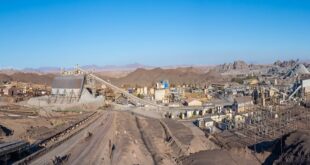
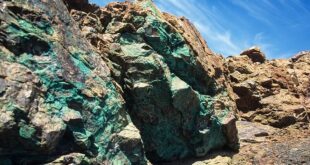
QKR Namibia is shifting its strategy at the historic Navachab gold mine, driving underground tunnels beneath its traditional open pits to unlock a deep-seated deposit that was once out of economic reach.
The mining operator is advancing a critical development phase targeting deep mineralization at the site near Karibib, according to a corporate statement. The push underground follows a successful trial mining run and encouraging structural data, signaling that one of Namibia’s oldest gold assets is preparing for a significantly extended lifespan.
“QKR Namibia Navachab Gold Mine is currently assessing the potential for a full underground mining operation following a successful trial mining phase conducted a few years ago,” said Venancio Guchu, the project’s underground mining manager. “The geological continuity and geotechnical evaluations produced encouraging results.”
The pivot comes at a critical time for African gold producers, who are increasingly forced to invest in complex underground engineering as easy-to-reach surface reserves deplete. At Navachab, crews are focusing development on the Main Shoot and North Shoot zones, located just north of the active open pits. Because the orebody remains open at depth, further exploratory success could dramatically alter the mine’s long-term production profile.
Contractors have already carved out roughly 390 meters along the Main Shoot decline. While crews executed the initial blast for this phase in December 2025, the real test of the deposit’s viability will begin later this year when exploration rigs spin up.
“The current phase of development is focused on creating access for exploration drilling and to gather critical geological data required for future mining decisions,” Guchu said, adding that specialized exploration drilling is scheduled to commence during the third quarter of 2026.
Mining deeper introduces severe technical pressure, particularly regarding wall stability and seismic risks. To mitigate these hazards, QKR is deploying controlled blasting techniques and automated, continuous rock-mechanics monitoring to protect crews working hundreds of meters below the surface.
“We continue to conduct geotechnical drilling and analysis to ensure that our underground designs remain safe and reliable,” Guchu said. “By continuously focusing on safety, we ensure that underground operations are carefully managed and that employees are always protected.”
To execute the specialised engineering, QKR partnered with international underground contractor Byrnecut. The expansion has created immediate domestic employment, with the project currently hiring 58 Namibian nationals, including 30 workers sourced directly from the local Karibib community.