Namibian Mining News The Professional Mining Journal



Related Articles

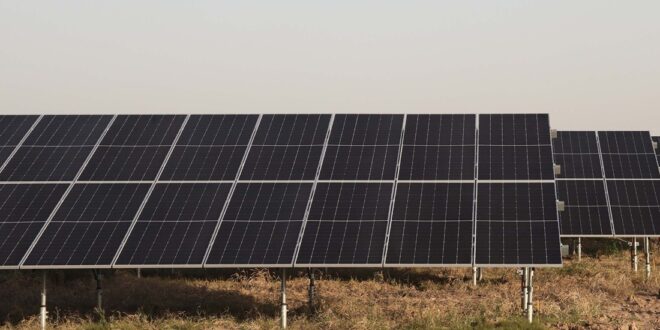
Namibia stands on the threshold of a transformative era in its energy sector, driven by some of the most consistent solar irradiation levels on the planet and vast expanses of available land. This geographic advantage is increasingly being viewed as a strategic lifeline for the mining industry, where the dual pressures of energy security and escalating costs remain constant concerns. As the government moves forward with plans for 51% local ownership in new mining ventures, the conversation has shifted from the mere technical feasibility of solar power to the essential task of making this transition sustainable, inclusive, and deeply rooted in local participation.
The success of this energy pivot relies heavily on balancing investor confidence with robust empowerment policies. The 51% ownership framework is designed to ensure that the nation’s natural wealth directly benefits its citizens, but it also necessitates a collaborative approach to renewable energy infrastructure. Mines are encouraged to explore joint ventures and phased project rollouts that allow experienced international developers to partner with local firms. Such structures facilitate the transfer of critical technology and technical knowledge, ensuring that the transition to clean energy creates a legacy of local expertise rather than a reliance on external contractors.
Drawing from the experiences of the broader Southern African region, Namibia is prioritising regulatory certainty and the early development of a skilled workforce. The country’s modified single buyer framework already provides a strong foundation by allowing independent power producers to sell electricity directly to large-scale users like mines. However, to avoid the skills shortages that have hampered similar rollouts elsewhere, there is an urgent need to embed solar-specific certifications and practical apprenticeships within the national vocational training landscape. By investing in the human capital required to maintain and operate hybrid power models combining solar, battery storage, and traditional backup Namibia can secure a resilient energy future.
The financial barriers to large-scale solar adoption are being addressed through innovative funding models, including blended finance and long-term power purchase agreements that mitigate upfront risks. Beyond the hardware of solar panels and inverters, the focus remains on building a local value chain where small and medium-sized enterprises provide logistics, maintenance, and components. This holistic approach ensures that the mining sector’s move toward renewables acts as a catalyst for wider economic growth, positioning Namibia as a regional leader in clean energy expertise.
Reflecting on the critical role of human capital in this transition, Julien Karambua, Country Manager at Workforce Staffing Namibia, noted: “Namibia’s goal should be to not only meet its domestic renewable energy needs but also to position itself as a regional hub for clean energy expertise, exporting both energy and skills across the continent. The nation’s transition will depend not just on technology, but on people, partnerships and policy.”